BC30XLR Review Excerpt:
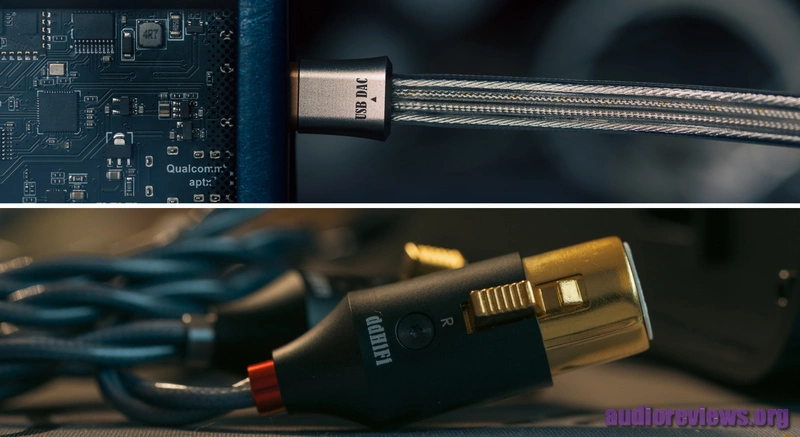
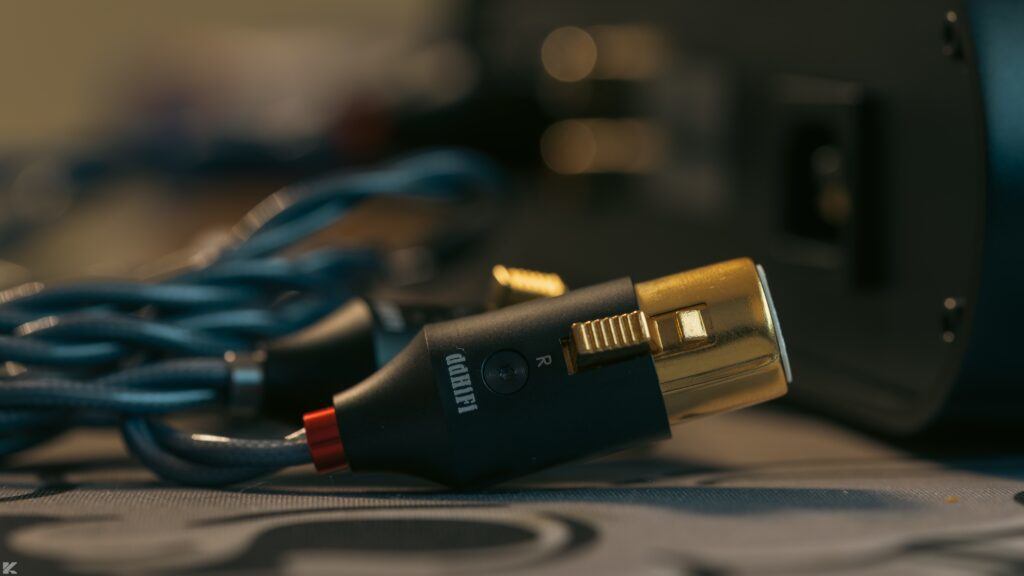
“As for the performance, my “expectations” from a high-end analog interconnect primarily revolve around three aspects: (external) noise rejection, end-to-end extension, and any masking of fine details. Fortunately, the ddHiFi BC30XLR passes all three test with flying colors. RF interference was well controlled even with numerous Wi-Fi and cellular enabled devices around. With most budget cables I have noticed interference when there is an incoming call on a phone placed near the cable. The BC30XLR effectively shields against such noise, which vindicates the triple-shielding wire structure.
In terms of bass and treble extension, there is virtually no loss, at least none that I could perceive. Certain analog interconnect cables tend to roll-off on the extreme ends but the BC30XLR avoids that pitfall. When paired with my stereo setup (KEF LS50 Meta + SVS SB2000Pro), the dynamics were spot on and imaging was precise when using the Questyle CMA Twelve Master as the DAC. Transparency is the keyword here, having no hints of coloration and that’s how an ideal interconnect should behave.
All in all, the BC30XLR are excellently built pair of interconnects and offers very low internal resistance and sonic transparency while costing relatively “modest” at $130 USD. You can definitely purchase some knock-off clones at a lower price, but the upscale brands (e.g. Audioquest) charges significantly more for silver-strand interconnects. In that regard, the BC30XLR offer good value while keeping the premium feel throughout.
Recommended.”

TC19CC Review Excerpt:
“One of my biggest frustration when using dongles or portable DAC-Amps with a phone is the type-C cable itself. A vast majority of the stock cables are either too stiff or too thin, or lacking in adequate strain relief. Long-term durability is questionable as a result, as many of the stock type-C interconnect cables I have received in the past have developed connection issues after prolonged usage.
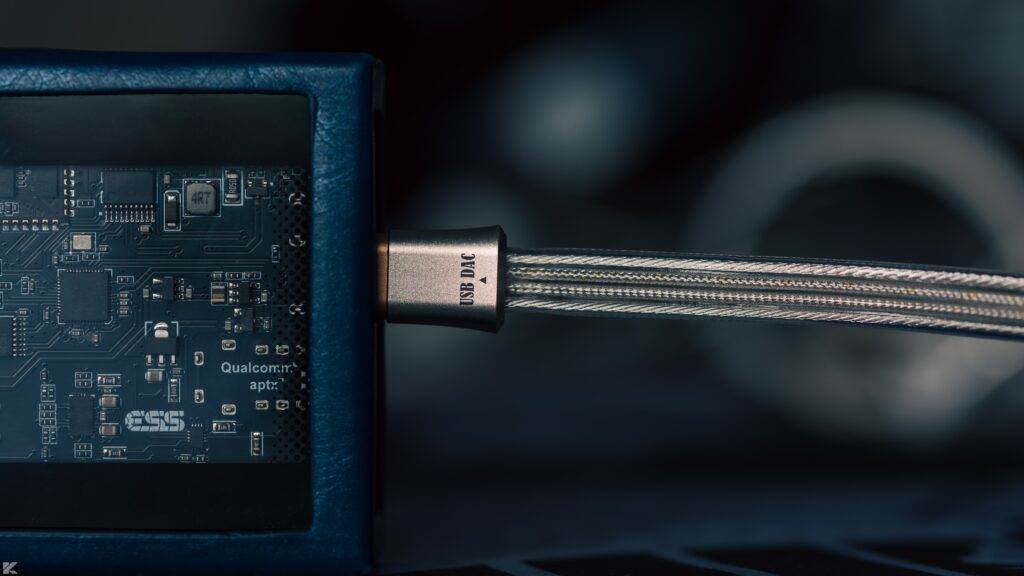
There are other factors as well, such as EMF and RF-shielding and the separation of power and data line which greatly improves noise performance from the host side. ddHiFi TC19CC aims to address all these concerns, with a flat-braided 4-wire arrangement where data positive/negative and power positive/negative wires are individually shielded (by 21.7AWG silver-plated copper) to reject external noise as much as possible. Wire arrangement is also interesting, with the power lines “flanking” the data lines in the center. The power and data lines use different conductor materials as well and for good reasons.
25.6AWG 4N pure silver strands are used for the data lines, while 21.3AWG silver-plated monocrystalline copper is used for the power line. Using a higher gauge wire for power has better thermal management as usual (though in this context, there won’t be too much power traveling through these wires anyway, as they are capped at 5V). I have the USB type-C version here (10cm length) and the connectors are excellent in terms of build and overall finish. It’s also a directional cable, so make sure to check if the USB DAC and host sides are properly matched while connecting.
Finally, let’s discuss the cables durability and performance. I have been using it daily for over 3 months and the cable has gone through heavy use. Fortunately, it looks and performs as well as it did out of the box. Thanks to the pliable sheathing, stacking a phone and a DAC-Amp was fairly simple. I mainly used the cable in conjunction with Muse M5 Ultra and Questyle Sigma. Both devices have separate power and data inputs, and I found no RF or EMF interference when receiving a call during music playback. The TC19CC does what it says on the can – reject external interference while providing excellent flexibility and solid build quality.”

From:Audioreviews